Helmet: the one thing you never skip
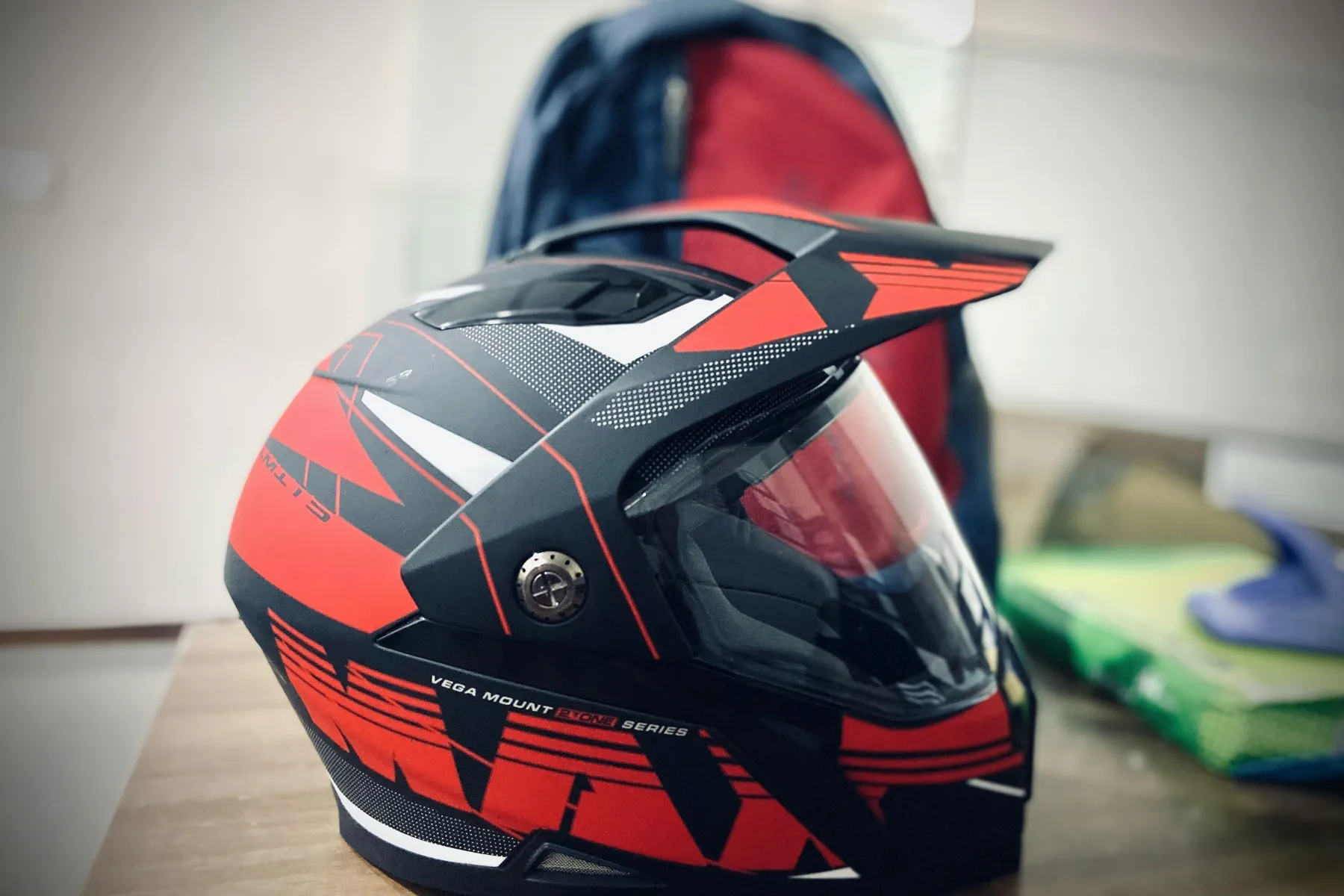
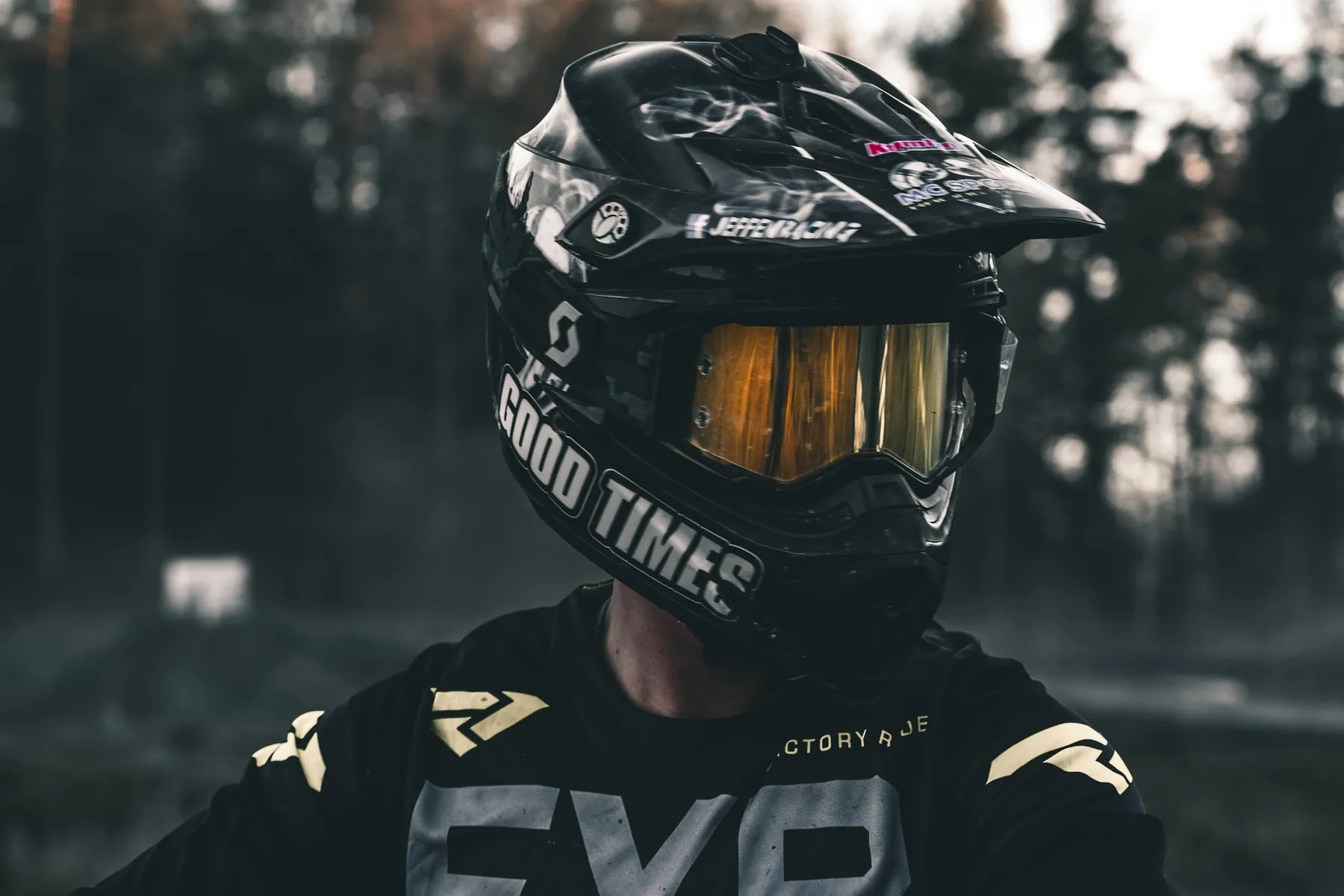
Buy a full-face off-road helmet certified for motorcycles. In the US, look for the DOT sticker as the legal minimum; many riders also look for ECE 22.06 or Snell. NHTSA's guide on choosing the right motorcycle helmet explains how to spot a real DOT label and avoid novelty helmets.
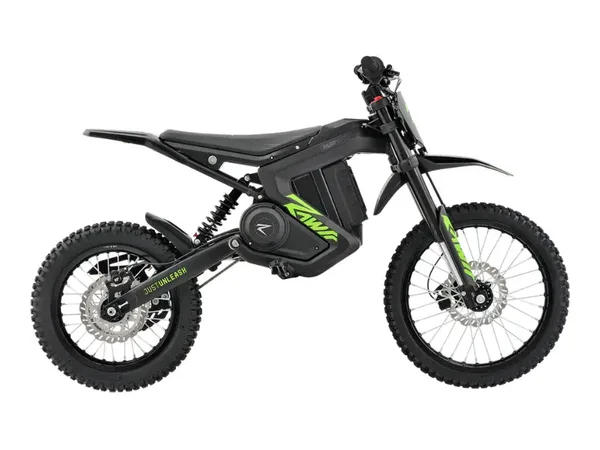
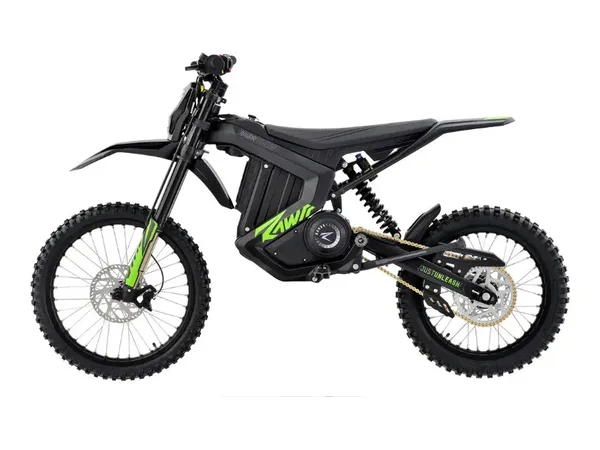
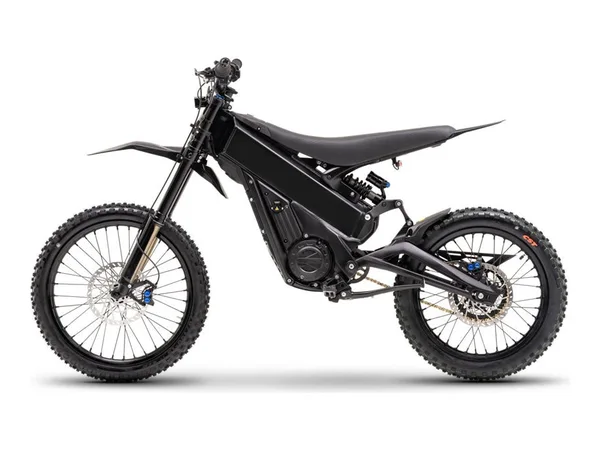
A bicycle helmet isn't enough, even on a light e-moto. The Rawrr Mantis Mini R can reach 46 mph and the Sur-Ron Light Bee X 46.6 mph, per their brands. Fit matters as much as the label: snug, no pressure points, and replace it after any big crash.
Goggles and eyes
Off-road helmets have an open face port, so you need goggles. They keep out roost (the dirt thrown by the bike in front), branches and bugs. Get a clear lens for forests and evenings and a tinted one for sun. Tear-offs or roll-offs help in mud.
Boots: protect ankles and shins
Motocross boots are stiff for a reason: they stop your ankle from twisting when the bike lands on your foot, which is one of the most common dirt bike injuries. Hiking boots and sneakers don't do that. Over-the-ankle MX boots with buckles are the standard; beginner boots are cheaper and softer, which many new riders prefer.
Gloves, chest, knees and elbows
Gloves protect your hands in a fall and improve grip on the bars. A roost guard or chest protector covers your ribs and back from rocks and the bars. Knee guards or braces protect the joint you'll hit most often, and elbow guards help on tight trails. Many brands sell all-in-one armored jackets that are easier for beginners.
Add long riding pants and a jersey, or at least durable long sleeves and pants. Shorts and a t-shirt are how small falls become big scars.
How gear should fit
Gear that doesn't fit doesn't protect. A few rules of thumb from motorcycle shops and riding schools:
- Helmet: measure your head just above the eyebrows and use the brand's size chart. It should feel snug all round, with no pressure point, and shouldn't roll forward when you push the chin bar up.
- Goggles: try them on with the helmet. The foam should seal around your face without a gap at the nose.
- Boots: try them with the socks you'll ride in. They'll feel stiff at first; that's normal.
- Armor: chest protectors and knee guards should stay in place when you crouch and stand on the pegs.
Buying for a growing teen? It's tempting to buy a size up. Don't do it for the helmet: a loose helmet can move in a crash. Boots and jerseys are fine with a little room.
Video: "Beginner's Guide to MX Protection | Dirt Bike Protection Series Episode 1", MXstore on YouTube. Not made by us; chosen because it shows the bike or the topic clearly.
Anything different on an electric bike?
Mostly no: the gear is the same as for a gas dirt bike. Two habits change. First, e-motos are quiet, so hikers and other riders won't hear you coming: slow down at blind corners. Second, the throttle is live as soon as the bike is on. Rawrr's kill switch and brake override, and the ride modes on E Ride Pro and Segway bikes, exist for that reason. Turn the bike off when you stop, and set a low mode for learners.
Where to spend and where to save
If the budget is tight, spend on the helmet and boots first: they protect your head and the joints that get hurt most. Goggles, gloves and a basic roost guard can be entry-level models. Riding pants and jerseys can wait a few rides if you have tough long pants and sleeves.
What we'd never buy used: a helmet. You can't see damage inside the shell, and a helmet that has taken one hard knock may not protect you the next time. Boots, armor and pants are fine second-hand if they're in good shape.
And keep some budget for the bike itself: a stand, a tire pressure gauge and the basic tools in the bike's manual. On an e-moto, a quick check before every ride (tires, brakes, bolts, battery charge) does as much for safety as any piece of kit.
Training and where to ride
Gear protects you; skills keep you from needing it. The Motorcycle Safety Foundation runs courses, including dirt bike classes for adults and kids. Start in a big open area, learn braking and body position, then move to trails. Check where you're allowed to ride: public land managers such as the Bureau of Land Management publish OHV areas.
Buying for a teen? Our teen ranking starts with the lightest bikes, and every one of them deserves a full set of gear.
Your first five rides
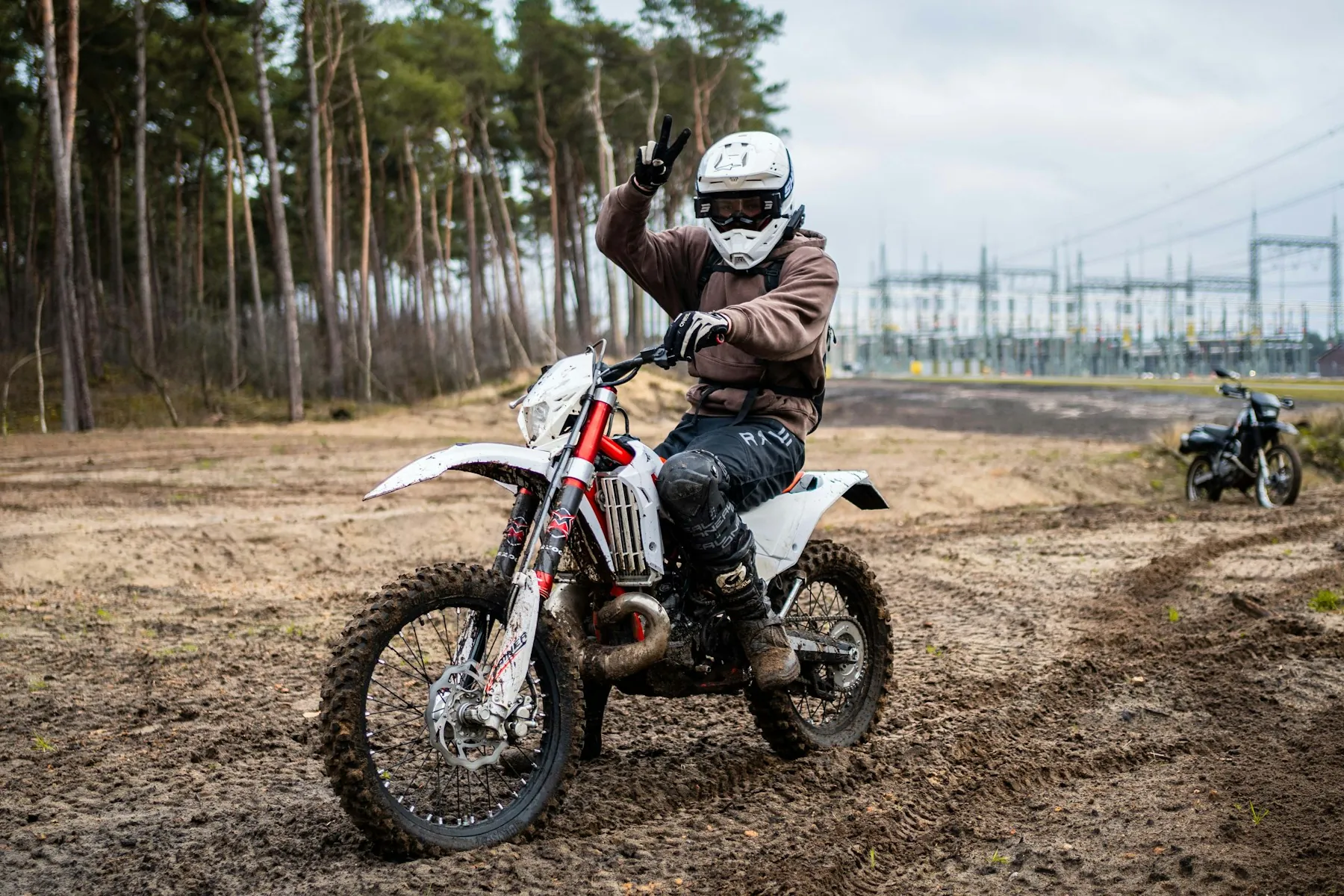
Most beginner crashes happen in the first hours, at low speed, when the rider grabs too much throttle or front brake. A simple plan helps.
- Pick a big, flat, open space with soft ground. Set the lowest power mode the bike has.
- Practice smooth throttle and both brakes in a straight line until stopping feels boring.
- Add slow turns, standing on the pegs, eyes up where you want to go.
- Only then try easy trails, with a friend, and turn back before you're tired.
- Raise the power mode one step at a time, never on a new trail.
Electric bikes make this easy to follow, because the modes are right there. Use them.
After a crash: check the gear and the bike
Everyone falls, so plan for it. After any real crash, look at your gear before the next ride. Replace the helmet if it took a hit, even if it looks fine: the foam liner is designed to crush once. Check goggles for cracks, boots for broken buckles and armor for split plates.
Then check the bike: bars and levers straight, brake lines intact, both brakes biting, wheels spinning true, nothing rubbing. On an electric bike, look closely at the battery case and the wiring. If the battery case is cracked, dented or wet inside, don't charge it: call the dealer or the brand first, because a damaged lithium pack is a fire risk.
And check yourself. A hard knock to the head means no more riding that day, and a visit to a doctor if anything feels off.
The bikes in this article, side by side
| Bike | |||
|---|---|---|---|
| Price | $2,399 | $2,999 | $3,749.99 |
| Peak power | 6 kW peak | 7.5 kW peak | Not stated |
| Battery | 1,440 Wh | 2,160 Wh | 2,400 Wh |
| Weight | 115.7 lbs | 139 lbs | 125 lbs |
| Top speed (brand) | 46 mph | 50 mph | Not stated |
| Warranty | 1-year | 1-year | Not stated |
| Road status | Off-road only | Off-road only | Off-road only |
| Buy | See price | See price | See price |